
Medical Endoscope Optical Performance Testing
Medical Endoscope Optical Performance Testing
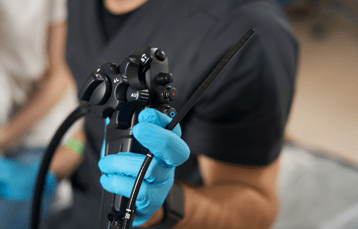
Medical endoscopes play a critical role in minimally invasive diagnostic and surgical procedures, where image quality directly affects lesion detection, clinical decision-making, and patient outcomes. Optical deficiencies such as reduced resolution, image distortion, non-uniform illumination, poor color reproduction, or excessive image noise can compromise diagnostic performance. The ISO 8600 series of standards provides internationally recognized methods for evaluating the optical performance of medical endoscopes, helping ensure consistent imaging quality throughout product development, design verification, regulatory submissions, manufacturing, and product lifecycle evaluations.
Optical performance testing objectively verifies that an endoscope meets design specifications and maintains consistent imaging performance throughout its intended clinical use.
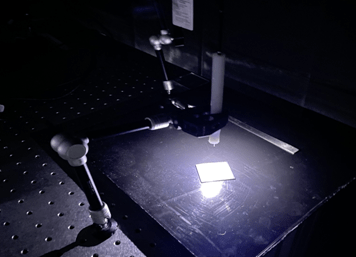
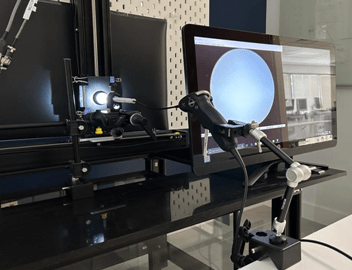
Sigma Scientific performs comprehensive optical performance testing of rigid and flexible endoscopes using calibrated imaging systems, NIST-traceable optical targets, and standardized test methods. We evaluate key parameters including resolution, field of view, depth of field, geometric distortion, illumination uniformity, signal-to-noise ratio, dynamic range, and color accuracy to support FDA 510(k) and international regulatory submissions, design verification, manufacturing quality control, competitive benchmarking, and regulatory compliance.
As an ISO/IEC 17025 accredited laboratory and FDA ASCA-accredited medical device safety and performance testing laboratory, Sigma Scientific provides reliable, traceable, and regulator-ready test data backed by more than 25 years of medical device testing and regulatory experience.
Test Methods
Testing of medical endoscope systems is conducted as per the following relevant international optics and photonics standards and FDA guidance documents for medical endoscopes and endotherapy devices:
- ISO 8600-1: General requirements
- ISO 8600-3: Determination of field of view and direction of view
- ISO 8600-4: Maximum width of insertion point
- ISO 8600-5: Determination of optical resolution
- ISO 15739: Noise and dynamic range measurements
- ISO 12233: Resolution and spatial frequency responses
- IEC 62471 Photobiological Safety
- IEC 60601-2-18: Basic and essential performance
- Color Accuracy and Color Reproduction using the Color Performance Review Tool
- Video Latency/Image Latency
Test Reporting
Sigma Scientific provides comprehensive regulator-ready test reports documenting all measured optical parameters, applicable test methods, calibrated instrumentation, environmental conditions, representative images, and objective measurement results. Reports are suitable for FDA 510(k) submissions, design verification, technical documentation, manufacturing quality records, and international regulatory submissions. Test Reports include the following measurements:
Contact Us for More Information
- Field of View (FOV), Direction of View (DOV)
- Resolution, Depth of Field (DOF), and Optimum Working Distance (OWD)
- Noise and Dynamic Range
- Geometric Distortion
- Image Intensity Uniformity (IIU)
- Color Accuracy and Color Reproduction
- Video Latency
- Light Output and Photobiological safety
Why Choose Sigma Scientific for Medical Endoscope Testing?
Manufacturers rely on Sigma Scientific because our laboratory combines internationally accredited testing with deep regulatory expertise. We support medical device companies throughout the entire product lifecycle, including feasibility studies, design verification, FDA 510(k) submissions, manufacturing quality control, product modifications, competitive benchmarking, and post-market investigations. Our engineers have more than 25 years of experience in medical device testing and understand both the technical and regulatory expectations associated with optical performance evaluation.