
A device can meet every applicable bench acceptance criterion and still lack sufficient clinical evidence for its intended use. The reverse is also true: favorable clinical experience does not replace objective verification that a device meets its electrical, mechanical, acoustic, or other technical requirements. In clinical evaluation vs bench testing, the critical question is not which evidence source is better. It is whether the total evidence package supports the device’s safety, performance, and claims.
For medical device manufacturers, this distinction affects design verification planning, regulatory strategy, test budgets, and submission timelines. It also determines whether gaps are identified early, when they can be addressed efficiently, or later, when they may delay commercialization.
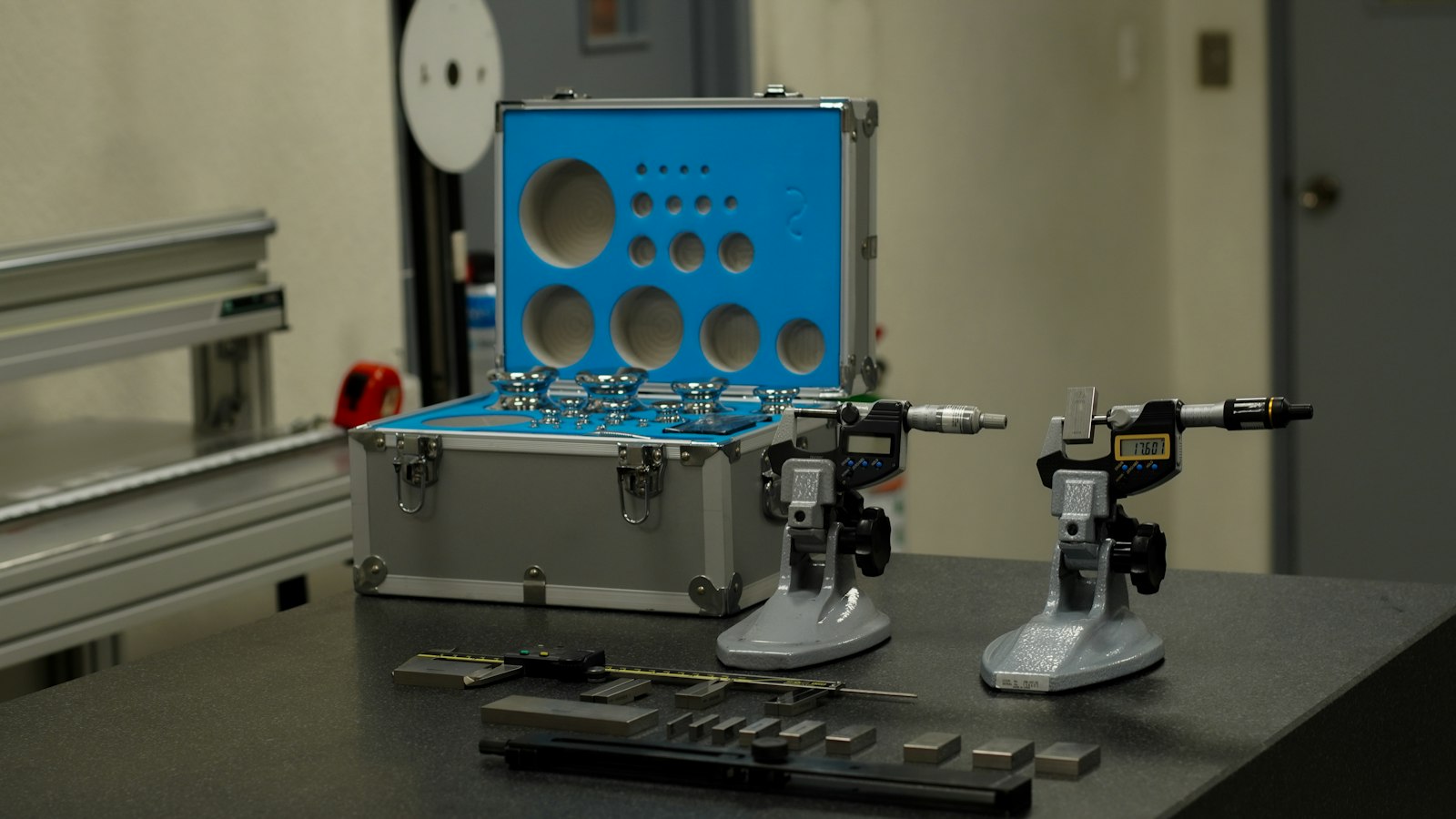
Bench testing produces controlled, measurable evidence that a device conforms to defined technical requirements. It is generally performed on representative production-equivalent samples using documented methods, calibrated equipment, and predetermined acceptance criteria. Depending on the product, this may include electrical safety, electromagnetic compatibility, dielectric strength, mechanical durability, material characterization, acoustic output, ultrasound image quality, software verification support, or environmental conditioning.
Clinical evaluation assesses whether available clinical data support the device’s safety, clinical performance, and intended clinical benefits. Under the EU Medical Device Regulation, a clinical evaluation is a systematic and planned assessment of clinical data. That data may come from the subject device, an equivalent device when equivalence is adequately justified, published scientific literature, post-market surveillance, post-market clinical follow-up, or clinical investigations.
The two activities therefore answer different questions. Bench testing asks whether the device performs as specified under controlled conditions. Clinical evaluation asks whether the available clinical evidence supports use in people for the claimed intended purpose.
Neither process should be treated as a documentation exercise performed at the end of development. Both should trace back to the intended use, indications, technological characteristics, hazards, risk controls, and performance claims established during product definition.
What Bench Testing Can Demonstrate
Bench evidence is especially valuable when performance can be quantified directly and repeatably. For an ultrasound system, testing may measure acoustic output parameters, image quality, probe surface temperature, and output control accuracy. For a patient monitor or ECG device, relevant work may include electrical safety, essential performance, alarm behavior, signal accuracy, and environmental performance. For an endoscope or catheter, the test program may address dimensional requirements, mechanical integrity, leakage, durability, and material-related characteristics.
Well-designed bench testing does more than generate pass or fail results. It establishes objective evidence that design inputs have been verified and that risk controls function as intended. If a safety requirement calls for adequate dielectric strength, for example, a documented dielectric withstand test provides direct evidence. If a performance claim involves measurement accuracy over a stated range, the protocol should verify that range using appropriate test conditions and acceptance criteria.
Standards-based testing is often central to this process. Recognized ISO and IEC standards can define methods, limits, test configurations, and reporting expectations. However, conformity to a standard should not be assumed simply because a test was performed. The laboratory method, sample configuration, deviations, test equipment, uncertainty where applicable, acceptance criteria, and final report all matter.
Bench testing has limits. A benchtop model cannot always reproduce variability in patient anatomy, user technique, workflow, tissue response, or real-world clinical decision-making. It can demonstrate that a device delivers specified output or withstands expected use conditions. It may not establish that clinicians can use it safely and effectively in the intended patient population without further evidence.
What Clinical Evaluation Can Demonstrate
Clinical evaluation places technical performance in its clinical context. It evaluates whether the device achieves its intended purpose, whether identified risks are acceptable when weighed against benefits, and whether the clinical claims are supported by sufficient data.
For established technologies with well-understood clinical use, a literature-based clinical evaluation may be appropriate if the manufacturer can demonstrate that the device, intended purpose, patient population, and relevant performance characteristics are sufficiently supported. The quality and applicability of the literature are decisive. A broad collection of published papers is not automatically adequate evidence for a specific device claim.
For novel devices, new indications, meaningful changes in technology, or claims that go beyond established evidence, clinical data requirements may be more substantial. A clinical investigation, focused post-market clinical follow-up, or additional real-world evidence may be necessary. The appropriate pathway depends on the nature of the device, the residual risks, the maturity of the technology, and the strength of available data.
Clinical evaluation also depends on the quality of the underlying technical file. If bench testing has not adequately characterized device performance, the clinical evaluator may be unable to determine whether published evidence applies to the subject device. This is particularly relevant when a manufacturer relies on literature or equivalence. The clinical evidence must be connected to the actual device configuration, not an assumed similarity.
Where the Evidence Streams Overlap
Bench testing and clinical evaluation are distinct, but they should not operate in isolation. The risk management file is one of the clearest points of connection.
A hazard identified through risk analysis may lead to a technical risk control verified through bench testing. If that control affects clinical use, the clinical evaluation should consider whether residual risk remains acceptable in the intended population and use environment. For example, a physiotherapy device may demonstrate output accuracy and electrical safety in the laboratory, while clinical evidence addresses whether the therapeutic application and user instructions support safe, expected outcomes.
Claims are another point of connection. A narrow technical claim such as probe temperature remaining below a specified limit is primarily supported by bench data. A claim that a device improves diagnostic confidence, patient outcomes, or clinical workflow generally requires clinical support. Marketing, labeling, instructions for use, and submission documents should not extend beyond the evidence available from both streams.
Human factors validation may also bridge the gap. It is not clinical evaluation, but it can provide evidence that intended users can perform critical tasks safely and effectively in representative use scenarios. This is particularly relevant when use-related risks cannot be fully addressed through device design or bench verification alone.
Choosing the Right Evidence Mix
The evidence strategy should be proportionate to the device and its claims. There is no universal percentage of bench evidence versus clinical evidence that applies across product categories.
A mature, low-risk device with established technology and modest claims may rely heavily on standards-based bench testing, supported by applicable clinical literature and post-market information. A diagnostic system that introduces a new algorithm, a new clinical application, or a claim of improved diagnostic performance may require considerably more clinical substantiation. A design change can also alter the balance. Changes to materials, energy delivery, software, user interface, or intended patient population may create new questions that cannot be answered by prior evidence alone.
Manufacturers should define this strategy early by mapping each requirement and claim to its evidence source. That map should identify what will be demonstrated by bench testing, what will be supported by clinical data, where human factors evidence is needed, and how each element connects to risk management. Waiting until the clinical evaluation report is drafted to identify missing performance evidence creates avoidable rework.
Practical Planning for Regulatory Readiness
A useful development plan begins with precise intended-use language. Bench protocols, clinical evaluation scope, labeling, and risk analysis should all use compatible descriptions of the device, users, patients, use environment, and clinical application.
Next, identify applicable standards and performance requirements before finalizing verification samples. Test articles should be representative of the final design, including critical accessories, software versions, configurations, and packaging conditions where relevant. When testing must occur before design freeze, document the rationale and assess whether subsequent changes affect test validity.
Laboratory selection also matters. Testing performed within an ISO/IEC 17025 accredited scope provides added confidence that the laboratory operates under a defined quality system with demonstrated technical competence. For FDA submissions using applicable recognized standards, FDA ASCA-accredited testing may provide a clearer regulatory pathway for eligible device standards and test methods.
Finally, review reports as part of the evidence package, not as stand-alone deliverables. Confirm that the device identification is correct, acceptance criteria are traceable, deviations are assessed, and results support the exact claims and risk controls intended for the technical documentation. A report that is technically sound but tied to the wrong configuration can still create a submission gap.
Bench testing establishes what the device does under defined conditions. Clinical evaluation establishes whether the available clinical evidence supports using that device as intended. When both are planned from the same claims, risks, and regulatory objectives, they become a coordinated evidence package rather than two separate tasks competing for time and budget.
More insights
Consult with a medical device test expert
Tell us about your device and the standards you need. You’ll have a quote within 24 hours.
(305) 239-4441 info@sigmascientific.us 490 Sawgrass Corporate Parkway, Suite 130, Sunrise, FL 33325