
A diagnostic ultrasound system can produce excellent images and still face a regulatory setback if its acoustic output data are incomplete, poorly documented, or generated under the wrong test conditions. That is why diagnostic ultrasound output testing matters well beyond a checkbox exercise. For manufacturers, it is a core part of demonstrating that system performance is characterized, exposure-related parameters are properly measured, and the resulting data can support design validation and regulatory submission.
The technical challenge is that output testing sits at the intersection of acoustics, system configuration, standards interpretation, and documentation discipline. Small differences in transducer type, operating mode, beam settings, or measurement setup can materially affect reported values. A lab performing this work needs more than equipment. It needs methods aligned to recognized standards, controlled measurement practices, and a clear understanding of how the data will be used by engineering, quality, and regulatory teams.
What diagnostic ultrasound output testing measures
Diagnostic ultrasound output testing is used to quantify the acoustic energy a system delivers under defined operating conditions. Depending on device configuration and intended use, the evaluation commonly includes parameters such as acoustic power, pressure-related quantities, intensity-related quantities, and exposure indices. These measurements help establish whether output levels are understood, consistently characterized, and appropriate for the device’s claims, labeling, and regulatory pathway.
For most manufacturers, the point is not simply to produce a single number for a report. The point is to characterize worst-case and representative operating conditions in a way that is technically defensible. That usually means evaluating specific transducers, application presets, output control settings, and imaging or Doppler modes that could drive higher acoustic exposure.
The details matter because ultrasound platforms are rarely static. A console may support multiple probes, software revisions, and clinical modes. A change that appears minor from a product development perspective can require reassessment if it affects transmitted output, displayed indices, or the validity of previously collected data.
Why output testing is tied to regulatory readiness
For regulatory teams, acoustic output data are only useful when they are traceable to an accepted method and clearly linked to the tested configuration. Reviewers and notified stakeholders want to see that measurements were performed using appropriate setups, calibrated instrumentation, and documented procedures. If a report leaves ambiguity around derating assumptions, measurement distances, water tank conditions, or selected operating modes, questions can follow quickly.
This is where accredited laboratory testing has practical value. ISO/IEC 17025 accreditation speaks to the laboratory’s competence and quality system for performing measurements. In the medical device context, FDA ASCA recognition can add another layer of confidence where applicable because it supports standards-based conformity assessment using defined scopes and expectations. For manufacturers managing tight submission timelines, that kind of alignment can reduce avoidable back-and-forth.
There is also a risk management dimension. Output testing contributes to the broader evidence base used to support safety and performance. It does not stand alone, but it informs design verification, labeling decisions, and consistency checks against image quality and intended clinical operation. If the measured output profile does not match assumptions used elsewhere in development, the issue is better identified in the lab than during review or after release.
Key variables in diagnostic ultrasound output testing
The most common source of confusion is assuming that output is a fixed property of the system. In practice, it depends on how the device is configured and how the measurement is performed. Probe geometry, frequency, focusing, pulse parameters, scan format, and mode selection all affect the acoustic field.
Operator-selectable controls matter as well. Output power settings, application presets, and advanced imaging features can change reported values significantly. Doppler modes often require particular attention because they may represent higher exposure conditions than standard B-mode imaging. If a manufacturer does not define the test matrix carefully, the lab may generate data that are technically correct but not representative of the actual worst-case use scenario.
Environmental and setup conditions also influence results. Hydrophone positioning, alignment, tank acoustics, scanning methodology, and signal processing all need to be controlled. Even when the governing standard is clear, there are still judgment calls in selecting the most efficient and defensible way to test a complex product family. That is why pretest planning usually has an outsized effect on project success.
Selecting the right test matrix
A practical test matrix balances completeness against efficiency. Testing every possible probe and every possible preset is rarely necessary, but narrowing the scope too aggressively can leave gaps in the evidence package. The right approach depends on intended use, technology overlap between transducers, software controls, and the manufacturer’s regulatory strategy.
In many cases, products can be grouped by common output architecture or similar acoustic behavior. In other cases, especially where specialized probes or distinct operating modes are involved, separate evaluation is the safer path. The answer is often not absolute. It depends on whether the technical rationale for grouping is strong enough to withstand scrutiny.
Common challenges manufacturers run into
One recurring issue is late-stage testing. Teams sometimes wait until design verification is nearly complete before addressing acoustic output, only to discover that the selected modes, presets, or transducer samples do not reflect the final device configuration. That can force retesting and delay submission packages.
Another issue is incomplete sample definition. If hardware revision, software version, probe serial traceability, or calibration status are not documented clearly, the resulting data can be harder to defend. This becomes more problematic when teams need to compare current results against legacy testing or use the data to support change assessments.
Documentation quality is another differentiator. A technically sound measurement loses value if the report does not explain the setup, methods, assumptions, and results with enough clarity for downstream use. Engineers need data they can interpret. Regulatory affairs needs documentation that aligns with the submission narrative. Quality teams need records that support traceability and change control.
How an accredited lab approaches output testing
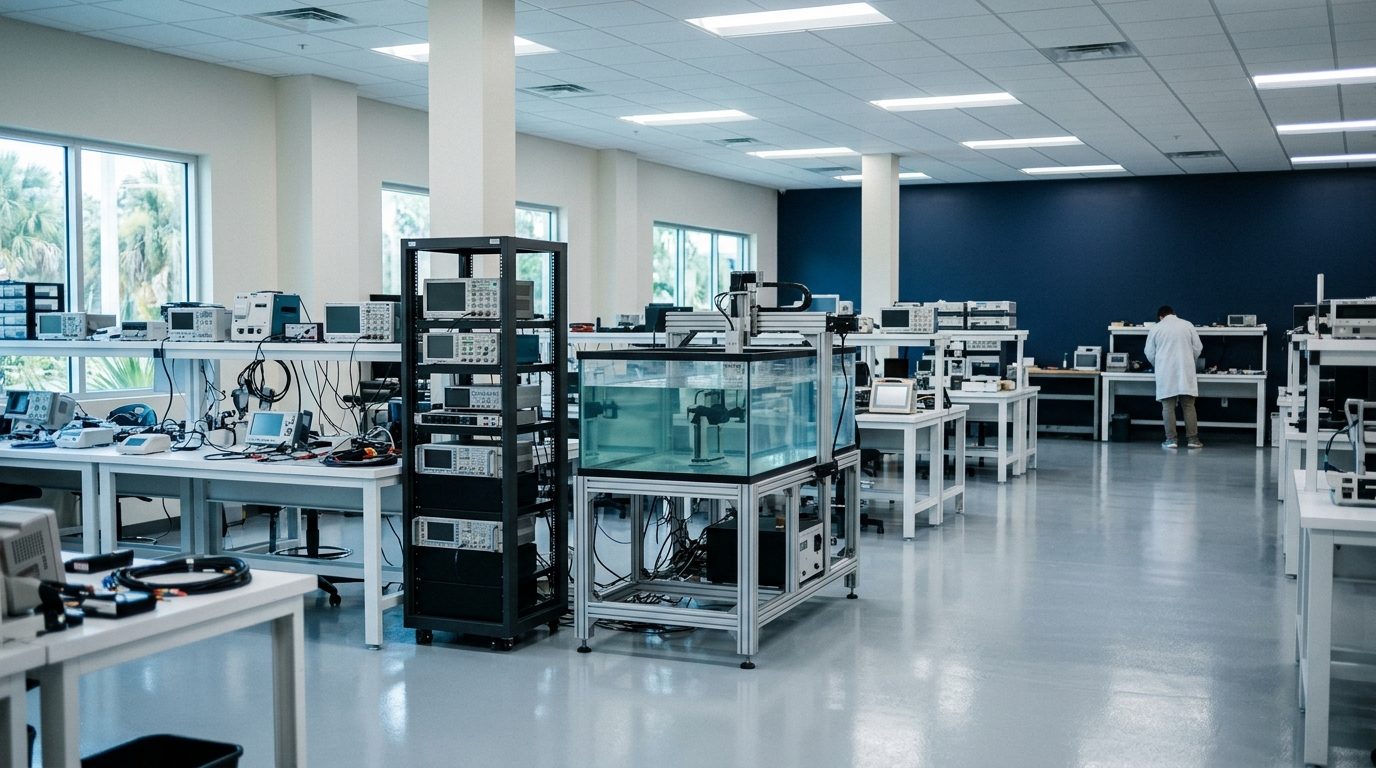
A disciplined laboratory process starts before the first measurement. The lab should review the device configuration, intended use, transducer portfolio, operating modes, and applicable standards to define the scope. That planning step often identifies whether testing should focus on a subset of probes, whether additional samples are needed, and which settings are most likely to represent maximum output conditions.
From there, execution depends on calibrated instrumentation, controlled measurement setups, and procedures that are consistent with recognized acoustic output methods. Data collection should be structured so that reported values are traceable to the exact tested configuration. Equally important, the report should translate the measurements into usable compliance documentation rather than a disconnected set of raw results.
For manufacturers working under schedule pressure, responsiveness matters too. Fast turnaround is valuable, but only when it does not compromise method selection, test completeness, or report quality. The best laboratory relationships are the ones where technical rigor and commercial responsiveness support each other instead of competing.
Sigma Scientific Services operates in that space as an accredited medical device test laboratory, supporting manufacturers that need standards-based evidence tied to safety, performance, and regulatory requirements.
When diagnostic ultrasound output testing should be repeated
Retesting is not required for every change, but it should be considered whenever modifications could affect transmitted acoustic energy, displayed indices, or the assumptions behind prior results. Examples include transducer redesign, beamforming changes, software updates affecting output controls, and modifications to application presets or Doppler functionality.
The question is whether the prior evidence still applies. Sometimes a documented engineering assessment can justify reliance on existing data. Sometimes only partial retesting is needed. And sometimes the change is significant enough that a fresh output evaluation is the cleaner regulatory path. A credible decision requires both technical analysis and awareness of how the data will be reviewed.
What good output data looks like in practice
Good data is repeatable, traceable, and tied to a clear test rationale. It identifies the tested configurations, explains why they were selected, and shows how measurements were performed. It also reflects the product as it will actually be marketed, not an early prototype or an engineering build that no longer represents the commercial device.
Just as important, good data supports decisions. It helps engineering confirm system behavior, helps quality maintain design control records, and helps regulatory affairs assemble a submission package with fewer unresolved questions. That is the practical value of doing the work correctly the first time.
If diagnostic ultrasound output testing is treated as a late regulatory formality, it often creates friction. If it is planned as part of the device evidence strategy, it becomes a more efficient route to credible compliance documentation and a more predictable review process. For teams moving toward validation or submission, that distinction can save far more time than the testing itself.
More insights
Consult with a medical device test expert
Tell us about your device and the standards you need. You’ll have a quote within 24 hours.
(305) 239-4441 info@sigmascientific.us 490 Sawgrass Corporate Parkway, Suite 130, Sunrise, FL 33325