
Category: Testing Strategy & Reports

Planning test programs, acceptance criteria, verification and validation, and test reports that hold up in regulatory review.

  • Medical Device Verification Testing Services

    Medical Device Verification Testing Services

    1. Home
    2. Insights
    3. Medical Device Verification Testing Services

    Medical Device Verification Testing Services

    Testing StrategyAugust 3, 20266 min read
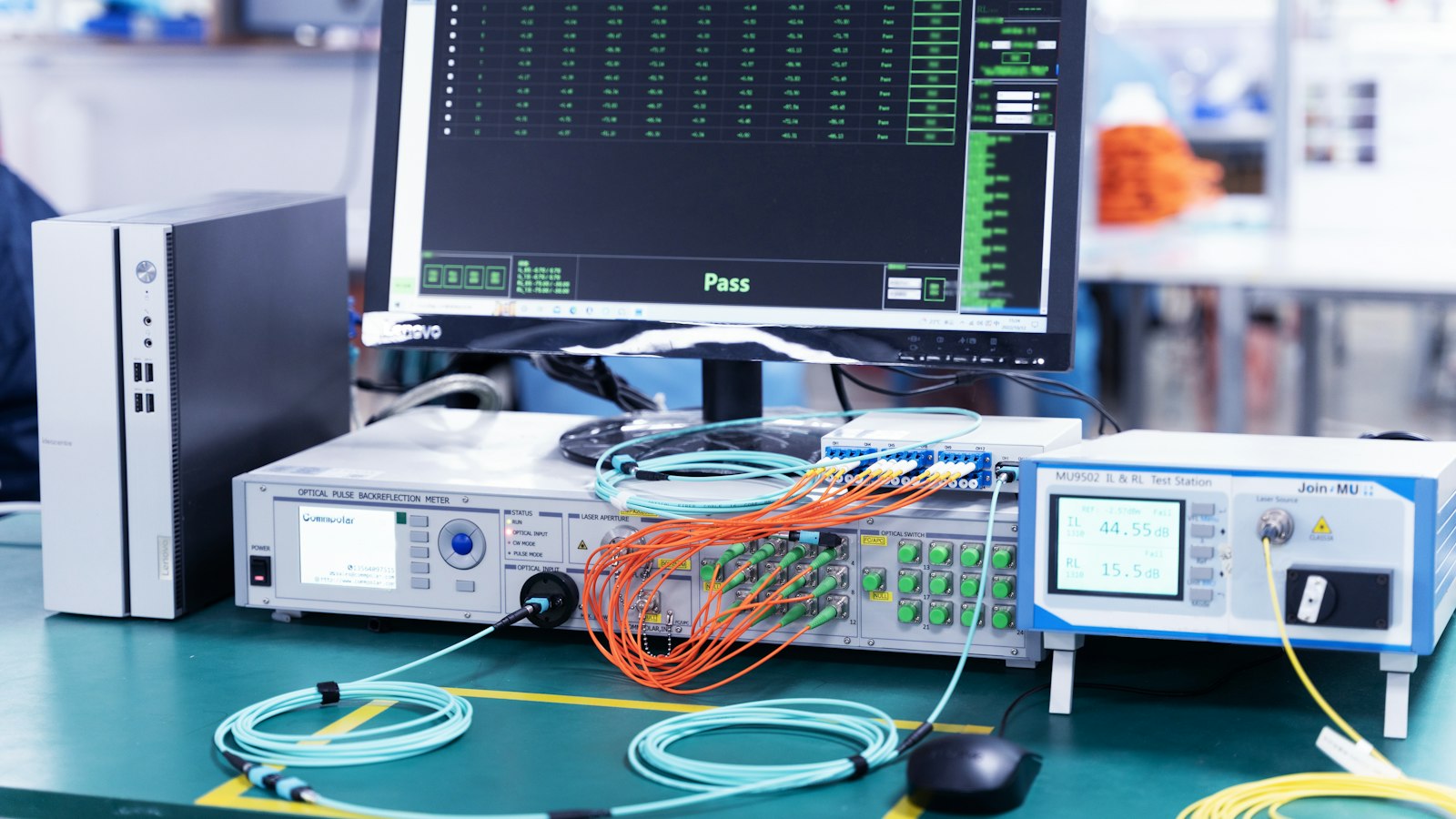
    Test system and monitor showing a pass result on a lab bench

    A verification failure discovered after design transfer is rarely a single-test problem. It often exposes an incomplete requirements trace, an unsuitable test method, or a sample configuration that no longer represents the released device. Medical device verification testing services are most effective when they are planned as a controlled evidence-generation program, not treated as a final gate before submission.

    For manufacturers, the objective is clear: demonstrate with objective evidence that documented design outputs meet documented design input requirements. The evidence must be technically defensible, traceable to the device configuration, and suitable for review by quality and regulatory stakeholders. The work may include electrical safety, acoustic output, ultrasound performance, materials characterization, endoscope evaluation, physiotherapy system testing, clinical safety and effectiveness support, or human factors validation, depending on the device and its intended use.

    What Verification Testing Must Demonstrate

    Verification answers whether the device was built according to its specifications. That distinction matters because verification is frequently confused with validation. Verification confirms that design outputs meet input requirements. Validation confirms that the final device meets user needs and intended uses under actual or simulated use conditions.

    A meaningful verification program begins with requirements that can be tested. A requirement such as “the device shall be safe” is not directly verifiable. A requirement defining allowable patient leakage current, dielectric strength, acoustic power, image quality, catheter tensile performance, or alarm response can be evaluated through a defined method and acceptance criterion.

    The laboratory report is only one component of the evidence package. The stronger package connects each test to a requirement identifier, applicable standard or method, device configuration, sample identity, acceptance criteria, raw data treatment, deviations, and conclusion. When these elements are disconnected, even technically sound data can create avoidable questions during design review or regulatory submission preparation.

    When to Engage Medical Device Verification Testing Services

    Testing should be considered before the design is frozen, not only after prototypes are complete. Early laboratory engagement allows the manufacturer and test team to examine the intended use, technology, applicable standards, test article condition, and expected evidence. This can identify requirements that need clarification before formal testing begins.

    For example, an ultrasound system may require more than a single output measurement. Its verification strategy may need to address acoustic power, thermal and mechanical index-related parameters, image quality, operating modes, transducer configurations, and software-controlled settings. Similarly, an electrically powered patient monitor may require evaluation of electrical safety, electromagnetic compatibility, alarm behavior, essential performance, and environmental considerations. The appropriate scope depends on the device, risk controls, claims, and market pathway.

    Early planning also protects the schedule. Some tests require conditioned samples, specialized fixtures, representative accessories, calibrated probes, or a defined software version. Waiting until the final weeks of a submission timeline can turn a manageable test program into a critical-path issue.

    Establish the Test Article Configuration

    The tested unit must represent the configuration for which compliance is being claimed. This includes hardware revision, software or firmware version, accessories, cables, disposables, labeling-dependent settings, and any production-equivalent components that affect performance.

    Configuration control is especially important when development changes continue during testing. A change in power supply, enclosure material, transducer design, alarm logic, or user interface may affect prior results. Not every change requires complete retesting, but each change requires documented impact assessment. The decision should be based on the affected requirement, risk analysis, and technical rationale rather than on schedule pressure alone.

    Define Requirements Before Selecting Tests

    Standards-based testing does not replace design inputs. A consensus standard can provide recognized methods and limits, but the manufacturer still needs device-specific requirements tied to intended use and risk management. A test plan should identify which requirements are verified by standard testing, which require a custom method, and which are addressed through analysis, inspection, or review.

    This is particularly relevant for novel features. A standard may cover baseline electrical safety but not a proprietary treatment algorithm, a unique image-processing claim, or a specialized accessory interface. Custom verification methods may be appropriate, provided they are scientifically justified, controlled, and documented with clear acceptance criteria.

    Building a Defensible Test Program

    A well-constructed verification program is organized around evidence quality rather than the number of reports produced. Each test should have a defined purpose, approved protocol or method, suitable equipment, trained personnel, and objective acceptance criteria. Where a standard is used, the exact edition, applicable clauses, and justified deviations should be identified.

    Accreditation also matters. An ISO/IEC 17025-accredited laboratory operates within a quality system designed to support technically valid results, including competence, calibration, method control, and records management. FDA ASCA program accreditation can provide additional value for specific recognized standards and device categories by supporting a more consistent approach to standards-based testing used in FDA submissions. Manufacturers should confirm that the laboratory’s current scope covers the required test method and product area.

    Sigma Scientific Services applies this focused approach across specialized medical device test categories. The practical value is not simply obtaining a report. It is obtaining data that can be traced to the right configuration, method, and acceptance criteria when regulatory or quality reviewers examine the file.

    Match Testing to the Device Risk Profile

    The test depth should reflect the device’s hazards and risk controls. For an energy-delivering device, performance testing may need to demonstrate that output remains within specified limits across modes, settings, and foreseeable operating conditions. For an endoscope, optical performance, mechanical integrity, leakage resistance, reprocessing-related considerations, and accessory compatibility may be relevant. For a patient-contacting device, material characterization and biocompatibility strategy may require coordination with the nature and duration of contact.

    There is no universal test matrix. Over-testing can consume samples and time without improving the evidence package. Under-testing can leave critical claims or risk controls unsupported. The appropriate balance comes from aligning design requirements, risk management documentation, standards applicability, and regulatory strategy.

    Treat Deviations as Engineering Decisions

    Deviations are not automatically failures, but they must be visible and assessed. A fixture change, substituted cable, environmental interruption, or sample anomaly can affect the validity or applicability of a result. The test record should state what occurred, whether the deviation affected the data, and what action was taken.

    The same discipline applies when a result falls outside acceptance criteria. The immediate goal is not to force a pass. It is to determine whether the issue is a test setup error, unit-specific anomaly, design deficiency, or incorrectly defined requirement. A defensible investigation may lead to corrective design action, a revised requirement, further testing, or a justified conclusion that the result does not affect safety or performance. Each path requires evidence.

    Documentation That Supports Review

    Verification documentation should allow an informed reviewer to answer basic questions without reconstructing the project: What was tested? Why was it tested? Which requirement did it address? Was the sample representative? Which method was used? Did it pass? If there was a deviation, was it evaluated?

    At minimum, manufacturers should maintain an approved verification plan, protocols or controlled methods, test reports, equipment and calibration records where applicable, sample configuration records, deviation documentation, and a requirements trace matrix. The trace matrix is particularly useful because it exposes unverified requirements, duplicate evidence, and claims that are not supported by a measurable acceptance criterion.

    For submission planning, report quality matters as much as test execution. Clear identification of the device, accessories, test conditions, methods, results, uncertainty considerations where relevant, and conclusions reduces follow-up questions. Ambiguous reports often create delays because the reviewer must infer whether the tested article represents the final device or whether the method actually supports the stated claim.

    A More Controlled Path to Market Readiness

    Medical device verification is not a paperwork exercise conducted after engineering is complete. It is the disciplined conversion of design requirements into objective evidence that supports safety, performance, design control, and regulatory readiness.

    The most efficient programs begin by defining testable requirements, selecting an appropriately accredited laboratory, controlling the test article, and resolving findings with documented engineering judgment. When testing is planned at that level of detail, the resulting evidence does more than close a design-control task. It gives the development and regulatory teams a clearer basis for moving the device forward with confidence.

    More insights

    Consult with a medical device test expert

    Tell us about your device and the standards you need. You’ll have a quote within 24 hours.

    (305) 239-4441 info@sigmascientific.us 490 Sawgrass Corporate Parkway, Suite 130, Sunrise, FL 33325


  • In House vs Accredited Testing for Medical Devices

    In House vs Accredited Testing for Medical Devices

    1. Home
    2. Insights
    3. In House vs Accredited Testing for Medical

    In House vs Accredited Testing for Medical Devices

    Testing StrategyAugust 1, 20266 min read
    Engineer working on a laptop at an instrumented test bench

    A failed dielectric strength test, an unexpected acoustic output result, or incomplete traceability can change a verification schedule quickly. The decision between in house vs accredited testing affects more than cost and turnaround time. It determines how readily test data can support design decisions, risk management, supplier controls, and regulatory submissions.

    For medical device manufacturers, the appropriate model depends on the product, the applicable standard, the intended use of the data, and the consequences of an inconclusive or challenged result. Internal capability can accelerate development. Accredited laboratory testing can provide documented confidence when data will carry regulatory or market-access significance.

    The central distinction is not simply whether testing occurs at a company facility or an external laboratory. It is whether the work is performed under a quality system that has been independently assessed for technical competence within a defined scope.

    An internal engineering lab may have highly capable personnel, well-maintained instruments, and effective procedures. Its testing can be valuable for feasibility studies, iterative design work, troubleshooting, and pre-compliance screening. However, the manufacturer is responsible for demonstrating that methods, equipment, personnel competency, environmental controls, calibration, and records are adequate for the intended use of the results.

    An ISO/IEC 17025-accredited laboratory operates within a system assessed by an accreditation body. Accreditation applies to specified test methods, standards, or measurement capabilities, not to every activity a laboratory performs. Within its scope, the lab must demonstrate technical competency, traceability of measurements, controlled methods, suitable equipment, qualified personnel, and documented quality processes.

    That distinction matters when a reviewer, notified body, customer, or internal quality organization asks a practical question: Can the reported result be defended, reproduced, and traced to a controlled test process?

    Accreditation Is Scope-Specific

    A laboratory’s accreditation status should not be treated as a blanket qualification. A lab may be accredited for particular electrical safety evaluations, acoustic measurements, or ultrasound performance tests while other services fall outside its accredited scope.

    Before assigning work, manufacturers should confirm that the relevant standard, test method, and product category are covered. This is particularly important for specialized medical device testing, where a general capability statement may not establish competency for a device-specific configuration or measurement requirement.

    Where Internal Testing Delivers Value

    Internal testing is often the fastest way to support engineering decisions. Development teams can test prototypes immediately, investigate design changes without formal sample intake, and repeat measurements as hardware or software evolves. This feedback loop is especially useful before design freeze, when the purpose is to identify failure modes rather than generate final evidence.

    For example, an ultrasound manufacturer may use internal tools to monitor output trends across transducer revisions. An ECG device team may conduct repeated checks of basic electrical performance as firmware changes. An endoscope developer may use internal fixtures to assess durability or functional behavior during iterative design.

    These activities can reduce the number of costly surprises that reach formal verification. They also help teams arrive at an accredited laboratory with stable samples, a defined configuration, and a clearer understanding of likely risks.

    Internal testing is most effective when it is intentionally governed. Even where results are not intended for external submission, teams benefit from controlled procedures, current calibrations, documented acceptance criteria, representative test articles, and retained raw data. Informal bench testing has a place, but it should not be confused with verification evidence.

    Where Accredited Testing Carries More Weight

    Accredited testing is generally appropriate when the data will support a regulatory submission, a formal declaration of conformity, an independent verification claim, or a high-risk design decision. It is also valuable when a manufacturer needs testing against a recognized IEC or ISO standard and requires records that demonstrate an established technical and quality framework.

    The benefit is not merely the final report. It is the controlled chain behind the report: confirmed sample identification, defined test conditions, calibrated measurement systems, documented deviations, review of technical records, and a clear statement of results against the applicable criteria.

    For US market submissions, FDA ASCA recognition may add further relevance when a test laboratory and applicable consensus standard are within the program’s scope. Manufacturers should evaluate the specific submission strategy and standard requirements rather than assume that any external report provides the same regulatory value.

    Accredited third-party work can also help separate development ownership from verification execution. That independence is useful when internal teams have invested heavily in a design and need objective evidence that performance or safety requirements have been met.

    Choose Based on the Risk of the Decision

    The right question is not, “Is internal testing cheaper?” It is, “What is the cost if this result is later insufficient?” A missed requirement near submission, a questionable measurement during an audit, or a retest caused by poor documentation can consume far more time than an early, properly scoped external evaluation.

    Several factors should guide the decision:

    • Regulatory reliance: Data intended for a 510(k), other regulatory filing, or formal compliance package usually warrants accredited testing aligned to the applicable standard.
    • Measurement complexity: Tests involving acoustic power, ultrasound image quality, leakage current, dielectric strength, electromagnetic performance, or specialized materials analysis often require equipment and expertise that are difficult to maintain internally.
    • Design maturity: Early prototypes benefit from internal screening. Stable, production-representative units are better candidates for formal external testing.
    • Risk profile: The greater the potential impact on patient safety, essential performance, or market access, the stronger the case for independent, controlled evidence.

    The answer may vary within one verification plan. A manufacturer can reasonably conduct hundreds of internal development checks while outsourcing a defined set of standards-based tests that require accredited capability.

    Consider the Total Schedule, Not the Test Date

    Internal testing can appear faster because no samples need to be shipped and no formal quotation or scheduling process is required. That advantage is real for quick iterations. But the total schedule changes if the internal result cannot be used for the final purpose and the product must later be retested externally.

    External testing also requires planning. The laboratory needs the correct device configuration, accessories, software version, instructions for use, test fixtures, and applicable standards. A clear test plan before sample shipment reduces avoidable questions and protects the laboratory schedule.

    Manufacturers should identify the compliance-critical tests early, even if formal testing will occur later. Early discussion of standards, sample quantities, worst-case configurations, and acceptance criteria helps prevent a late-stage discovery that the available prototype is not representative or that a necessary accessory was omitted.

    A Practical Hybrid Model

    For many medical device programs, the most effective approach is not choosing one model exclusively. It is assigning each activity to the environment best suited to its purpose.

    Use internal resources for exploratory work, design optimization, engineering characterization, and screening against expected failure modes. Use an accredited laboratory for formal verification, specialized measurements, and evidence intended to withstand regulatory review or customer scrutiny.

    The transition should be deliberate. Before external testing begins, freeze the relevant design configuration, document the device under test, confirm software and accessory versions, and review prior internal results for trends that may affect formal performance. If the test article differs from the eventual production configuration, document the rationale and assess the impact through the design control process.

    This model avoids treating the external laboratory as a last-minute rescue step. It also avoids burdening internal teams with maintaining every specialized test capability required across a product portfolio.

    Selecting an Accredited Testing Partner

    A suitable laboratory should be evaluated on more than its accreditation certificate. Confirm its scope, experience with the device technology, familiarity with the applicable standards, equipment capacity, reporting practices, and ability to clarify test assumptions before work begins.

    For specialized devices, technical fit is decisive. A laboratory that understands ultrasound output measurement, endoscope evaluation, physiotherapy system performance, or electrical safety requirements can identify configuration issues that might otherwise surface after testing starts. Sigma Scientific Services, for example, supports medical device manufacturers with ISO/IEC 17025-accredited and FDA ASCA-recognized testing capabilities in defined areas of medical device safety and performance.

    Request clarity on the expected deliverables. A useful test report should identify the device and configuration tested, standards and methods used, test conditions, results, acceptance criteria where applicable, deviations, and any limitations affecting interpretation. These details support traceability long after the test date.

    The strongest testing strategy is one that matches the evidence to the decision. Use internal capability to learn quickly, then use accredited testing where the result must carry formal technical and regulatory weight. Planning that boundary early gives engineering and regulatory teams a clearer path from prototype evidence to credible compliance documentation.

    More insights

    Consult with a medical device test expert

    Tell us about your device and the standards you need. You’ll have a quote within 24 hours.

    (305) 239-4441 info@sigmascientific.us 490 Sawgrass Corporate Parkway, Suite 130, Sunrise, FL 33325

  • Verification vs Validation in Medical Devices

    Verification vs Validation in Medical Devices

    1. Home
    2. Insights
    3. Verification vs Validation in Medical Devices

    Verification vs Validation in Medical Devices

    Testing StrategyJuly 26, 20267 min read
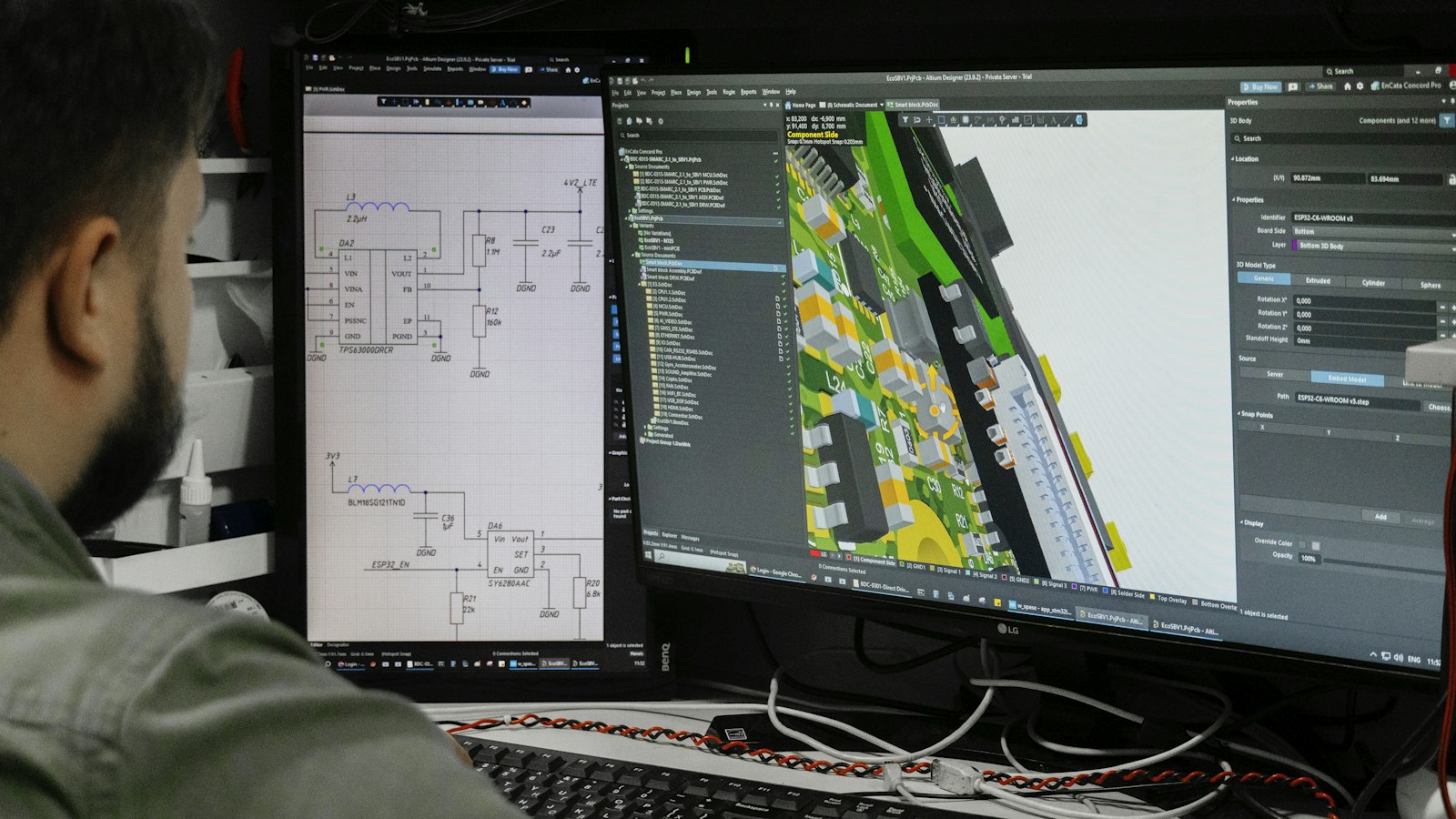
    Engineer reviewing a circuit board design and schematics during design verification

    A dielectric strength test can confirm whether an electrical medical device meets a defined safety requirement. It cannot, by itself, establish that clinicians can safely operate that device in a high-pressure care setting. That distinction sits at the center of verification vs validation medical devices. Both activities produce essential design control evidence, but they answer different questions, use different methods, and should be planned at different points in development.

    For manufacturers preparing for FDA submissions, international market access, or design history file review, treating verification and validation as interchangeable creates avoidable gaps. A test report may demonstrate conformance to an IEC requirement, while validation evidence must show that the final device meets user needs and intended uses under representative conditions. The evidence is related, but it is not interchangeable.

    Verification asks whether the design outputs meet the documented design inputs. In practical terms, it answers: did the engineering team build the device according to its specified requirements?

    Verification activities are generally objective and requirement-based. A requirement for an ultrasound system may define limits for acoustic output, image quality, electrical safety, or electromagnetic compatibility. Verification uses inspection, analysis, bench testing, software testing, or laboratory evaluation to demonstrate that the finished design meets those limits. The resulting records should be traceable to approved requirements, test methods, acceptance criteria, equipment status, and results.

    Validation asks whether the final device meets the needs of intended users for its intended use. It answers a different question: did the team build the right device for the clinical, operational, and use environment described in the product definition?

    Validation is performed using production-equivalent or representative units under defined conditions of use. Depending on the device and risk profile, it may include clinical evaluation, simulated-use testing, human factors validation, packaging validation, sterilization validation, or other studies that demonstrate the device performs as intended in realistic conditions. Validation must address actual use, not merely technical conformance.

    A useful distinction is this: verification compares design outputs with specifications. Validation compares the finished device with user needs and intended use. Both should be supported by documented protocols, predefined acceptance criteria, controlled execution, deviations management, and final reports.

    Why the Distinction Matters for Design Controls

    Medical device development teams commonly translate user needs into design inputs, then convert those inputs into design outputs such as drawings, software specifications, labeling, manufacturing instructions, and test methods. Verification confirms those outputs satisfy the inputs. Validation provides evidence that the final device, as users will receive it, fulfills its intended purpose.

    This sequence matters because a technically correct requirement may still be inadequate. For example, an ECG monitor may meet electrical safety and performance specifications in a laboratory. If its alarm configuration is difficult to recognize, if its display is misread in low-light use, or if its accessories can be connected incorrectly during simulated clinical use, validation may reveal a safety concern that component-level verification did not identify.

    The appropriate evidence depends on the nature of the requirement. A dimensional tolerance, leakage current limit, acoustic power value, or catheter tensile strength is usually suited to verification. A claim that a clinician can correctly configure a therapy system, interpret an ultrasound image, or perform a reprocessing workflow usually requires validation evidence. Teams should avoid forcing use-related questions into bench verification simply because the test is easier to conduct.

    Planning Verification and Validation Early

    Verification and validation should not begin when the design is considered complete. They should be defined during design and development planning, with traceability maintained as requirements evolve. Early planning helps a team identify which requirements require accredited laboratory testing, which require simulated-use studies, and which need clinical or analytical evidence.

    A practical verification and validation plan identifies the design inputs to be evaluated, the applicable standards, the selected test methods, sample rationale, acceptance criteria, test article configuration, and required documentation. It also establishes how changes will be assessed. A change to a power supply, transducer material, software algorithm, user interface, or sterilization process can affect prior evidence differently. The impact assessment should determine whether partial retesting, full verification, or repeat validation is necessary.

    Standards-based verification is particularly important where recognized IEC and ISO requirements define measurable safety or performance expectations. Electrical medical equipment may require evaluation of leakage current, dielectric strength, grounding, temperature rise, and essential performance. Ultrasound devices may require acoustic output and image quality assessment. Endoscopes, catheters, and physiotherapy systems may require material, mechanical, functional, or use-specific evaluations.

    The standard does not replace design inputs. Instead, it supports them. A manufacturer should clearly define which clauses apply to the device, how the requirements are incorporated into the product specification, and how results support the overall safety and performance case.

    Examples of Verification Evidence

    Verification evidence should be specific enough to show that every applicable requirement was evaluated. For a patient monitor, that may include electrical safety testing, alarm performance testing, display accuracy, battery performance, software verification, and environmental conditioning. For a diagnostic ultrasound system, it may include acoustic power measurements, image quality testing, transducer performance, electrical safety, and electromagnetic compatibility evaluations.

    Consider a requirement that an endoscope image system maintain defined image quality after a specified number of use and reprocessing cycles. Verification may involve controlled cycling followed by optical or functional testing against predefined acceptance criteria. The evidence demonstrates that the design output meets its durability and performance requirements.

    For a catheter, verification could include tensile testing, dimensional inspection, flow testing, material characterization, and packaging integrity testing. These activities can establish whether the device meets documented physical and performance specifications. They do not independently establish that a clinician can use the delivery system correctly in the intended care setting. That question belongs to validation.

    Verification also requires sound test method control. A result is only as useful as the method behind it. Methods should have appropriate precision, repeatability, equipment calibration, operator training, and acceptance criteria. When a custom method is used, its suitability should be established before it becomes the basis for a critical compliance decision.

    What Medical Device Validation Must Demonstrate

    Validation is broader than a final functional check. It should evaluate the finished device, or justified production-equivalent units, in the configuration intended for release. This includes relevant accessories, software versions, labeling, packaging, and manufacturing conditions.

    Human factors validation is often central for devices with critical user interactions. The study should involve representative users performing critical tasks in representative use environments. The objective is not to demonstrate that participants like the interface. It is to determine whether use-related hazards have been adequately controlled and whether users can perform critical tasks without serious use errors.

    Clinical safety and effectiveness evidence may also be required, depending on device type, intended use, novelty, risk, and the claims being made. In some cases, nonclinical performance evidence and literature support may be sufficient. In others, a clinical investigation or formal clinical evaluation is necessary. The answer depends on the regulatory pathway, the device’s technological characteristics, and the residual uncertainty after nonclinical testing.

    Process validation is related but distinct from product design validation. It establishes that a manufacturing process can consistently produce output meeting predetermined requirements. For example, a bonding, welding, sterilization, or packaging process may require validation because the result cannot be fully verified through routine inspection alone. Teams should maintain clear boundaries between design validation, process validation, and verification testing while ensuring the evidence works together.

    Selecting a Laboratory Partner for Verification Testing

    When verification requires independent laboratory data, accreditation scope and technical capability matter. ISO/IEC 17025 accreditation provides confidence that a laboratory operates under a recognized quality system for its accredited activities. FDA ASCA program accreditation can be particularly relevant when a device requires testing to standards included in the program and the resulting report will support an FDA submission.

    The laboratory should be able to align the test program with the specific device configuration, applicable standard clauses, and submission timeline. That includes defining test article requirements, addressing deviations promptly, and providing reports that clearly identify methods, instrumentation, acceptance criteria, observations, and conclusions. Sigma Scientific Services supports manufacturers with standards-based medical device safety and performance testing across electrical, acoustic, ultrasound, materials, endoscope, and physiotherapy device applications.

    Common Evidence Gaps to Avoid

    One frequent gap is relying on a passing standard test as proof of validation. A passing electrical safety report supports a defined safety requirement. It does not prove the device is usable by intended operators or suitable for every claimed clinical workflow.

    Another is testing an early prototype and assuming the result applies to the final device. Changes in materials, firmware, enclosure design, suppliers, manufacturing processes, or accessories may invalidate earlier evidence. Configuration management is therefore essential. Every report should identify the tested article and its relationship to the released design.

    Teams also create risk when acceptance criteria are written after results are known. Criteria should be defined and approved before testing begins. If a deviation occurs, it should be documented, assessed for effect on data validity, and resolved through a controlled process rather than informal justification.

    The strongest design control file is not the one with the most reports. It is the one in which each user need, risk control, design input, test result, and validation activity connects logically. Plan that chain early, test the final configuration deliberately, and let the evidence show exactly what the device has been demonstrated to do.

    More insights

    Consult with a medical device test expert

    Tell us about your device and the standards you need. You’ll have a quote within 24 hours.

    (305) 239-4441 info@sigmascientific.us 490 Sawgrass Corporate Parkway, Suite 130, Sunrise, FL 33325

  • Why Use Third Party Testing for Medical Devices?

    Why Use Third Party Testing for Medical Devices?

    1. Home
    2. Insights
    3. Why Use Third Party Testing for Medical Devices

    Why Use Third Party Testing for Medical Devices?

    Testing StrategyJuly 21, 20266 min read
    Two professionals shaking hands

    A dielectric strength result, an acoustic output measurement, or a human factors validation record carries more weight when it is produced by a laboratory that is independent of the design team. That is the practical answer to why use third party testing for medical devices: it creates objective, standards-based evidence that can withstand regulatory, quality, and customer scrutiny.

    For manufacturers, independent testing is not simply an outsourced engineering task. It is a control within the product development and regulatory process. It helps establish whether the finished device, tested configuration, and supporting documentation meet the applicable safety and performance requirements before a submission, commercial release, or design change moves forward.

    Medical device testing must do more than confirm that a product appears to work under favorable conditions. The test record needs to show how the device performed against a defined method, with calibrated equipment, controlled conditions, traceable data, and qualified personnel. An independent laboratory provides separation between the organization developing the device and the organization generating the verification evidence.

    That separation matters when results are reviewed by regulatory authorities, notified bodies, auditors, clinical partners, and procurement teams. Internal testing remains essential for design iteration, troubleshooting, and engineering confidence. However, third party testing can provide a more defensible final verification record, particularly where recognized IEC or ISO standards specify formal test methods and acceptance criteria.

    For devices with electrical, acoustic, thermal, mechanical, usability, or clinical performance risks, the question is rarely whether testing is needed. The more relevant question is whether the available evidence is sufficiently independent, technically appropriate, and documented for its intended regulatory use.

    Independent Evidence Supports Regulatory Readiness

    A regulatory submission is supported by evidence, not by general statements that a device was evaluated. Test reports should identify the device under test, applicable standard and edition, test configuration, instruments used, deviations, measured results, acceptance criteria, and conclusions. Gaps in any of these areas can create avoidable questions during review.

    An experienced third party laboratory can apply the relevant standard method and document results in a format appropriate for technical files, 510(k) submissions, design history files, risk management documentation, and quality system records. This does not guarantee clearance or approval. Regulatory decisions depend on the complete submission and intended use. It does, however, reduce uncertainty around whether a key safety or performance claim is supported by credible test data.

    Accreditation is particularly relevant. ISO/IEC 17025 accreditation indicates that a laboratory has been assessed for technical competence and quality management within its accredited scope. For FDA-recognized standards, FDA ASCA accreditation may provide an additional pathway for medical device testing in eligible areas. Manufacturers should verify that the laboratory’s scope covers the specific test method, technology, and measurement range required for the device.

    Testing Expertise Must Match the Device Risk

    Medical devices are not interchangeable from a testing perspective. A general laboratory may be capable of measuring voltage or force, yet lack the specialized methods, fixtures, expertise, or environmental controls needed for a diagnostic ultrasound system, flexible endoscope, catheter, ECG device, patient monitor, or physiotherapy system.

    The strongest case for third party testing arises when the test method is specialized and directly tied to patient or operator risk. Examples include acoustic power and output measurements for ultrasound devices, image quality evaluation, electrical safety testing, dielectric strength, leakage current, material characterization, endoscope performance evaluation, and human factors validation.

    In these cases, the laboratory’s familiarity with the applicable standards can affect the quality of the test plan as much as the execution of the test itself. A technically sound lab will identify the correct device configuration, accessories, operating modes, measurement conditions, and sample requirements before testing begins. It will also distinguish between a preliminary engineering evaluation and a formal compliance test.

    Standards Interpretation Requires Controlled Decisions

    Standards often allow choices in setup, sampling, operating conditions, and test sequence. Those choices should be technically justified and documented. For example, testing a multi-mode device only in a nominal operating mode may not represent the condition associated with the highest electrical, thermal, or acoustic output.

    Third party review can identify these issues before they become report deficiencies. It can also help manufacturers align the test plan with the device’s risk analysis, labeling, intended use, and predicate or comparable device strategy. This is especially valuable when a standard has been revised or when a device incorporates new software, accessories, materials, or energy-delivery functions.

    Objectivity Improves Quality System Decisions

    Internal teams know the product better than anyone. That knowledge is valuable, but it can also create blind spots. Development schedules, prior design assumptions, and pressure to meet a planned launch date may influence how unexpected results are interpreted.

    An independent laboratory is positioned to report what the data show. If the device does not meet an acceptance criterion, that result should be documented clearly. While an unfavorable result can delay a program, discovering it before a regulatory submission or field release is substantially less costly than addressing it after distribution.

    Third party testing can also provide a useful challenge to internal assumptions about worst-case configurations. A laboratory may ask whether the longest cable, highest output setting, lowest supply voltage, oldest software version, or most demanding accessory has been evaluated. These questions support better verification planning and more complete design controls.

    When Internal Testing May Be Enough

    Third party testing is not required for every activity. Early feasibility work, fixture development, design-of-experiment studies, routine production checks, and iterative software assessments are often appropriately performed in-house. Internal test capability can shorten development cycles and give engineering teams rapid feedback.

    The decision depends on risk, intended use of the data, regulatory expectations, and the maturity of the internal test system. If results will support a critical safety or performance claim, an independent accredited laboratory is often the stronger choice. If testing is exploratory and will not be used as formal compliance evidence, internal work may be more efficient.

    A hybrid approach is common. Manufacturers conduct development testing internally, then submit final production-representative samples to a qualified third party lab for formal verification. This approach preserves speed during design iteration while establishing independent evidence at key regulatory milestones.

    What to Evaluate in a Third Party Testing Partner

    Selecting a laboratory should involve more than comparing turnaround times or quoted prices. The laboratory should demonstrate relevant accreditation, medical device experience, equipment capability, and familiarity with the standards applicable to the product.

    Manufacturers should also assess the quality of pre-test communication. A capable laboratory will request product descriptions, intended use, applicable standards, drawings, user manuals, risk documentation, software versions, accessories, and proposed configurations. This early review helps prevent testing the wrong sample or omitting a condition that later becomes significant.

    Report quality deserves equal attention. A report should be technically complete, readable by regulatory reviewers, and clear about any deviations or limitations. Fast turnaround is valuable only when it does not compromise test planning, traceability, or documentation. Sigma Scientific Services, for example, combines ISO/IEC 17025 accreditation and FDA ASCA recognition with specialized medical device testing capabilities across electrical, acoustic, ultrasound, materials, endoscope, physiotherapy, clinical, and human factors evaluations.

    Independent Testing Is a Practical Risk Control

    Third party testing does not replace manufacturer responsibility. The manufacturer remains responsible for design controls, risk management, supplier qualification, complaint handling, labeling, and the overall regulatory submission. What independent testing provides is a credible measurement foundation for the claims and decisions that depend on objective evidence.

    The most effective time to engage a laboratory is before samples are shipped and deadlines become fixed. A focused review of the applicable standards, device configurations, sample count, and intended use of the final report can prevent late-stage retesting. Treat third party testing as part of verification planning, not as a final administrative step, and the resulting evidence will be more useful when the device reaches formal review.

    More insights

    Consult with a medical device test expert

    Tell us about your device and the standards you need. You’ll have a quote within 24 hours.

    (305) 239-4441 info@sigmascientific.us 490 Sawgrass Corporate Parkway, Suite 130, Sunrise, FL 33325

  • Medical Device Testing Services That Matter

    Medical Device Testing Services That Matter

    1. Home
    2. Insights
    3. Medical Device Testing Services That Matter

    Medical Device Testing Services That Matter

    Testing StrategyJuly 10, 20266 min read
    Scientist examining samples under a laboratory microscope

    A device can perform well on the bench for months and still fail when the test method, acceptance criteria, or documentation does not match the regulatory pathway. That is why medical device testing services are not a procurement checkbox. For manufacturers, they are a control point that affects design verification, submission quality, risk management, and time to market.

    The challenge is not simply getting data. It is getting defensible data generated under an accredited quality system, using recognized methods, with reports that can withstand regulatory review. For engineering, quality, and regulatory teams, the value of testing depends on whether the laboratory understands both the device technology and the standards framework attached to it.

    At a practical level, testing services should answer three questions. Does the device meet the applicable safety and performance requirements? Was the evaluation conducted under an appropriate quality system with validated methods and calibrated equipment? Can the resulting records support internal decision-making as well as external submissions?

    Those questions sound straightforward, but they create real distinctions between labs. A general testing provider may be able to run electrical or materials evaluations. A specialized medical device laboratory is expected to connect those evaluations to device classification, intended use, applicable ISO and IEC standards, and the evidence package needed for regulatory confidence.

    That difference becomes more obvious in categories where test execution and standard interpretation are tightly linked. Ultrasound output measurements, acoustic power characterization, endoscope performance evaluation, dielectric strength testing, or human factors validation all require technical judgment that goes beyond running an instrument. The lab must understand which failure modes matter, which clauses drive the protocol, and how the report will be used downstream.

    Why accreditation changes the value of testing

    Accreditation is often treated as a credential line item, but in medical device testing it has operational consequences. ISO/IEC 17025 accreditation indicates that the laboratory operates with defined controls over competence, equipment, traceability, method validation, training, and record integrity. For manufacturers, that translates into lower uncertainty around whether the test data will be accepted by reviewers, auditors, or notified stakeholders.

    The same applies to FDA ASCA recognition when it is relevant to the device and standard in scope. In that context, the laboratory is not only performing a test. It is supporting a more structured connection between standards-based testing and FDA submissions. That can reduce friction during review, provided the scope, declarations, and reports are aligned correctly.

    Accreditation does not eliminate all project risk. It does, however, reduce avoidable risk tied to questionable methods, incomplete traceability, or reports that need substantial revision before submission. For teams working against launch dates or remediation timelines, that distinction matters.

    Choosing the right scope for medical device testing services

    Not every device program needs the same mix of evaluations, and overtesting can be as costly as under-testing. The right scope depends on the device design, intended use, energy modality, patient contact, software role, and target market requirements.

    For electrically powered devices, safety testing may include leakage current, dielectric strength, grounding, and related evaluations under applicable IEC frameworks. For diagnostic ultrasound systems, output measurements and image quality testing may be central. For endoscopic systems, optical and performance characteristics may drive the work. For physiotherapy equipment, energy delivery and safety characteristics may need focused verification. Materials testing can be critical when durability, compatibility, or mechanical behavior affects device performance.

    Clinical safety and effectiveness evaluations add another layer. In some cases, bench testing is sufficient to support claims. In others, usability or human factors validation becomes essential because use error is a primary risk driver. The correct strategy is rarely built by looking at a single standard in isolation. It comes from aligning the test plan with the device risk profile and the intended submission approach.

    Where manufacturers lose time

    Most delays in laboratory testing do not start in the lab. They start earlier, when the request for quote lacks a clear device description, applicable standards list, configuration details, or intended claims. A lab can quote faster and build a cleaner protocol when the manufacturer provides a stable understanding of the product and the regulatory objective.

    Another common delay comes from design instability. If the test article changes after the protocol is approved, the project may need partial repetition or a revised rationale. That affects schedule, cost, and report coherence. The same issue appears when teams request testing before acceptance criteria are fully defined or before software and accessories are finalized.

    There is also a documentation problem that sophisticated teams still encounter. Internal engineering records may be technically sound but not organized in a way that supports efficient third-party testing. Drawings, revision histories, user documentation, accessories lists, and configuration matrices all influence how a lab sets up and documents the evaluation.

    A responsive testing partner helps by asking the right questions early. Speed matters, but speed without technical screening can create expensive rework.

    What to look for in a testing partner

    A useful laboratory relationship is built on more than available equipment. The first indicator is scope relevance. A lab should be able to show that its accredited capabilities match the device category and standard set involved. Broad claims are less helpful than a clearly defined testing portfolio tied to recognized methods.

    The second indicator is regulatory alignment. The lab should understand how the testing outputs will be used – design verification, risk management support, standards declarations, 510(k) documentation, or other submission needs. That affects protocol language, reporting detail, and the handling of deviations or engineering justifications.

    The third indicator is technical communication. Manufacturers do not need marketing language from a lab. They need direct answers on feasibility, sample requirements, turnaround assumptions, report contents, and whether a requested approach is defensible. In specialized areas such as acoustic, ultrasound, electrical, materials, endoscope, and human factors testing, vague communication is usually a warning sign.

    Finally, responsiveness has real value when it is paired with competence. Sigma Scientific Services, for example, positions fast quoting alongside ISO/IEC 17025 accreditation and FDA ASCA program accreditation. That combination matters because a quick commercial response is only useful if the technical and quality framework behind it is strong enough for regulatory use.

    Testing strategy is not one-size-fits-all

    Manufacturers sometimes ask whether one comprehensive round of testing can cover everything needed for commercialization. Sometimes it can cover most of the core evidence. Often it cannot. Product lifecycle stage changes the answer.

    Early in development, targeted pre-compliance testing can identify likely failure points before formal verification begins. During verification, the priority shifts to final design configuration, documented methods, and traceable results. Post-market changes may require gap assessments or focused retesting rather than a full repeat program. If a device is being modified for a new market or a new claim, the testing strategy may need to be rebuilt around that specific change.

    This is why experienced teams avoid treating test menus as fixed packages. Good medical device testing services are structured, but they are not generic. The right plan is shaped by the device, the claim set, and the submission context.

    The documentation standard matters as much as the test result

    Passing data without clear documentation creates almost as many problems as a failed result. Reports should identify the test item, configuration, standards basis, methods used, deviations if any, measurement results, and conclusions in a way that is technically precise and review-ready.

    For regulatory and quality teams, this is where a specialized lab often justifies its value. The report is not merely proof that testing occurred. It is part of the evidence chain that supports safety and performance claims. If terminology is inconsistent, revisions are unclear, or the rationale behind the method is not well stated, downstream review becomes harder than it needs to be.

    The most effective laboratory engagements start with a simple principle: testing should reduce uncertainty, not create it. When the lab combines relevant scope, accredited quality controls, standards-based methods, and disciplined reporting, the result is more than a pass or fail outcome. It is evidence a manufacturer can use with confidence when the schedule is tight and the submission has to hold up under scrutiny.

    More insights

    Consult with a medical device test expert

    Tell us about your device and the standards you need. You’ll have a quote within 24 hours.

    (305) 239-4441 info@sigmascientific.us 490 Sawgrass Corporate Parkway, Suite 130, Sunrise, FL 33325

  • How to Choose the Best Medical Device Testing Labs

    How to Choose the Best Medical Device Testing Labs

    1. Home
    2. Insights
    3. How to Choose the Best Medical Device Testing

    How to Choose the Best Medical Device Testing Labs

    Testing StrategyJuly 9, 20266 min read
    Scientist in a gown and gloves working with laboratory samples

    A lab shortlist can look qualified on paper and still create delays where they matter most – method selection, standards interpretation, documentation quality, and turnaround under submission pressure. That is why evaluating the best medical device testing labs requires more than checking whether a provider offers electrical or materials testing. For manufacturers and regulatory teams, the real question is whether the lab can generate defensible data that aligns with the specific device, the applicable standard, and the intended regulatory path.

    This distinction becomes more important as devices move beyond general safety screening into performance verification tied to IEC and ISO requirements. A lab may be competent in broad product testing yet still be a poor fit for diagnostic ultrasound, endoscope validation, physiotherapy systems, or human factors work. The strongest partner is usually not the broadest one. It is the one with the right accreditation, the right technical scope, and the discipline to produce test evidence that stands up in review.

    What separates the best medical device testing labs

    The best medical device testing labs are defined less by marketing claims than by traceable technical credibility. In practice, that starts with accreditation. ISO/IEC 17025 matters because it addresses laboratory competence, method control, equipment calibration, and data quality. For medical device manufacturers, however, accreditation alone is not enough. You also need to know whether the accredited scope actually covers the methods and standards relevant to your product.

    That sounds obvious, but it is a common failure point. A lab may hold accreditation while outsourcing critical portions of a program, relying on nonaccredited methods for certain measurements, or stretching into device categories where it has limited history. None of those conditions automatically disqualifies a provider, but they change the risk profile. If your team is building a submission strategy around standards-based evidence, the scope of competence should be explicit, not assumed.

    Regulatory alignment is the next differentiator. A test report has more value when it is developed by a lab that understands how the data will be used downstream. That includes familiarity with FDA expectations, recognized consensus standards, and the practical relationship between verification testing, risk management, and design validation. FDA ASCA accreditation, where applicable, is especially relevant because it signals a defined level of capability in standards-based testing tied to US regulatory review.

    Start with accreditation, then verify scope

    When comparing labs, accreditation should be your first filter, not your last question. ISO/IEC 17025 is the baseline for many serious programs, but the real evaluation begins after that. Ask which standards are included in the accredited scope, which device categories are routinely tested, and whether the lab performs the full program in house.

    A provider that tests patient monitors may not be the right lab for acoustic output measurement on ultrasound systems. A group experienced in conventional electrical safety may not have equivalent depth in endoscope testing or physiotherapy performance evaluation. Scope matters because medical device testing is not a single discipline. It is a collection of highly specific methods, instrumentation requirements, and interpretation decisions.

    The strongest labs are usually precise about what they do and do not cover. That precision is a positive sign. It indicates technical discipline, not limited capability.

    Why specialization often matters more than size

    Many buyers assume larger multi-industry labs are automatically safer choices. Sometimes that is true, particularly for high-volume commodity testing. But medical devices often require narrower expertise, and specialization can reduce friction.

    A specialized medical device testing laboratory is more likely to understand the difference between generic pass-fail execution and evidence generation that supports design decisions, risk files, and regulatory submissions. That affects protocol development, pretest review, handling of deviations, and the final report language.

    For example, ultrasound testing is not just a matter of running a standard checklist. It may involve acoustic output characterization, image quality evaluation, transducer-specific setup, and method control that depends on the exact intended use of the system. The same principle applies to catheter evaluation, electrical testing of patient-connected equipment, and human factors validation. In each case, technical familiarity shortens clarification cycles and reduces the chance of reruns.

    Turnaround time matters, but only if the output is usable

    Speed is a legitimate buying criterion. Development and submission timelines rarely leave room for avoidable lab delays. Still, fast scheduling has limited value if the reports require multiple revisions or if the test plan was not aligned correctly from the start.

    This is where many teams underestimate the cost of a poor fit. A lab that responds quickly but misses standard-specific details can consume more time than a lab with a slightly longer lead time and stronger front-end review. The best medical device testing labs usually show responsiveness in a different way. They ask sharp technical questions early, define the method clearly, identify sample needs, and clarify what documentation will be produced at the end.

    Commercial responsiveness also matters. If a lab cannot provide a clear quote, realistic schedule, or scope confirmation promptly, that may signal communication issues later in the project. For manufacturers balancing engineering, quality, and regulatory milestones, slow commercial handling can be an early indicator of operational drag.

    Report quality is part of the product

    Testing services are often evaluated by equipment, methods, and price. Report quality deserves equal attention. A report is not administrative output. It is the evidence package your team will use in design history files, submissions, technical files, and internal quality records.

    Good reports are clear, technically complete, and traceable to the applicable methods and standards. They document the setup, identify the device under test accurately, define any deviations, and present results in a way that can be reviewed without guesswork. Weak reports tend to create follow-up questions from internal reviewers before they ever reach regulators.

    This is one reason many experienced regulatory teams prefer labs that work routinely in the medical device space rather than general commercial testing. The difference is often visible not in the raw measurements, but in how the data is framed, referenced, and documented.

    Questions worth asking before you award the work

    A capable lab should be able to answer basic technical and quality questions without hesitation. You should know whether testing will be conducted under accredited methods, whether any work will be subcontracted, and whether the lab has recent experience with your device type. It is also reasonable to ask how protocol alignment is handled when standards leave room for interpretation.

    For more specialized programs, ask who reviews the test plan and whether the lab can support discussions around applicable clauses, measurement uncertainty, fixture requirements, and sample configuration. These are not minor details. They can determine whether the final data package is accepted internally the first time.

    If your project includes multiple domains, such as electrical safety, materials characterization, acoustic performance, and usability validation, coordination becomes another decision factor. Managing several narrow vendors can work, but it also increases handoff risk. A lab with a focused but broad medical device testing scope may simplify execution if the capabilities are genuinely mature.

    When a lower quote is not the lower-cost option

    Price pressure is real, especially for development-stage programs. But lower quotes can hide expensive trade-offs. Limited pretest review, thin documentation, long rescheduling cycles, or lack of device-specific experience can all increase the total cost of the project.

    The better comparison is not hourly rate versus hourly rate. It is total project risk. How likely is the lab to execute the correct method the first time, produce usable evidence, and maintain schedule discipline when the project changes? Those questions usually matter more than small differences in quoted cost.

    For teams working against regulatory milestones, confidence has measurable value. A technically rigorous lab with recognized accreditation, device-specific experience, and disciplined reporting often reduces overall program risk even if the initial quote is not the lowest. That is one reason many manufacturers prioritize specialized providers such as Sigma Scientific Services when the work requires both standards alignment and commercially responsive execution.

    Choosing the right lab for the actual regulatory path

    The right lab depends on the device, the target market, and the purpose of the data. Early feasibility testing, formal verification, complaint investigation, and submission support are not interchangeable contexts. A provider that fits one stage may not fit another.

    That is why selection should begin with the regulatory use case. Define which standards apply, what claims need support, whether accredited data is required, and how the resulting report will be used. From there, evaluate laboratories based on fit to that path rather than broad reputation alone.

    A strong testing partner does more than complete measurements. It helps reduce ambiguity. And in medical device development, reducing ambiguity early is often what keeps a schedule intact later.

    More insights

    Consult with a medical device test expert

    Tell us about your device and the standards you need. You’ll have a quote within 24 hours.

    (305) 239-4441 info@sigmascientific.us 490 Sawgrass Corporate Parkway, Suite 130, Sunrise, FL 33325

  • Medical Device Compliance Testing Quote

    Medical Device Compliance Testing Quote

    1. Home
    2. Insights
    3. Medical Device Compliance Testing Quote

    Medical Device Compliance Testing Quote

    Testing StrategyJuly 8, 20266 min read
    Calculator and printed results on a desk for a test quote

    A delayed quote can stall a submission plan before testing even starts. When a manufacturer requests a medical device compliance testing quote, the real objective is not simply pricing. It is confirming scope, standards, sample needs, timing, and documentation well enough to support regulatory deadlines without introducing avoidable rework.

    For regulatory, quality, and engineering teams, that quote is often the first operational checkpoint in the test program. If it is vague, the project usually becomes slower and more expensive later. If it is technically grounded, it can help align design maturity, risk management, and lab execution from the start.

    A useful quote does more than assign a cost to a service line. It should reflect the device type, intended use, applicable standards, test article configuration, and the exact evidence expected at the end of the work. That means the quote process is part technical review and part project definition.

    In medical devices, price is tied directly to scope clarity. A basic electrical safety program under an IEC standard does not carry the same workload as a combined package involving acoustic output, performance verification, materials characterization, or human factors validation. Even within one discipline, the burden can change significantly based on accessories, software functions, labeling, operating modes, and whether the device is portable, reusable, or intended for continuous use.

    A strong quote should also identify assumptions. If a lab prices testing against one edition of a standard while the manufacturer expects another, the mismatch can affect both cost and submission utility. The same applies when the quote assumes a single device configuration, but the marketed product family includes multiple models or accessories requiring separate evaluation.

    Why quote quality matters in regulated testing

    Compliance testing is rarely isolated from the broader regulatory path. The quoted scope may feed verification planning, submission strategy, risk controls, and design validation timing. For that reason, the quote should be technically credible enough to withstand internal scrutiny from quality and regulatory functions, not just procurement review.

    This is especially important for teams working under compressed schedules. An incomplete quote often leads to change orders, additional sample requests, or test restarts after the lab identifies missing information. Those changes are not always avoidable. Early-stage devices evolve. Standards interpretations can shift based on final configuration. But many delays come from preventable ambiguity at quote stage.

    An accredited laboratory with medical device specialization usually adds value here because scope development is informed by standards familiarity rather than generic commercial intake. That distinction matters when the requested testing supports formal compliance claims, submission content, or risk-based evidence generation.

    Information needed for an accurate medical device compliance testing quote

    The fastest quotes are usually supported by the best technical inputs. A lab can respond quickly when the device profile is specific and the intended compliance objective is clear.

    At a minimum, manufacturers should expect to provide a device description, intended use, regulatory market, applicable standards if already known, and a summary of the required test categories. Product photographs, user manuals, engineering drawings, prior reports, risk files, and software or accessory descriptions can all improve quote accuracy. For electrically powered devices, power characteristics, applied parts, essential performance claims, and alarm functions may be relevant. For ultrasound, acoustic output parameters, imaging modes, probes, and transducer details often affect scope. For endoscopes, catheter systems, and physiotherapy devices, the relevant technical variables differ, but the principle is the same: the more complete the device definition, the better the quote.

    It also helps to state the business objective. Some projects require full formal reporting for submission support. Others need feasibility data, gap testing, precompliance work, or targeted retesting after a design change. Those are different engagements with different pricing structures and timelines.

    What usually drives quote cost and schedule

    Manufacturers often ask why quotes vary so much between projects that appear similar on the surface. The answer is that compliance testing effort is driven by test complexity, not just device category.

    The first factor is standards scope. A single IEC safety standard may be manageable within a defined window, while a program combining collateral standards, particular standards, performance methods, and usability requirements can become much broader. The second factor is configuration count. Multiple models, accessories, probes, cables, software versions, or disposables can expand both setup time and execution burden.

    Sample requirements also affect cost. Some tests are nondestructive and can be performed on a small number of units. Others require dedicated samples, worst-case builds, or additional articles for repeat conditions. If the device is expensive, limited in availability, or still in pilot production, sample planning becomes a practical constraint that the quote should address early.

    Schedule is influenced by lab capacity, test duration, and readiness of the device package. A project can move quickly when samples are complete, documentation is stable, and the standard is well defined. It slows down when the lab must wait for revised labeling, software fixes, missing accessories, or clarification of intended use. Fast turnaround is valuable, but in regulated testing, speed only helps if scope control is maintained.

    Common reasons quotes become inaccurate

    Most quote problems are traceable to one of three issues: incomplete device information, unstable design status, or unclear compliance targets. A manufacturer may request IEC 60601-1 testing, for example, but omit that the product includes wireless functions, a rechargeable battery system, or multiple applied parts. Each of those details can affect the program.

    Another common issue is treating precompliance assumptions as if they are final submission conditions. Early engineering samples can be useful for gap identification, but final formal testing may need production-equivalent units, finalized software, and locked labeling. If the quote does not distinguish those phases, internal teams may underestimate total project effort.

    There is also the issue of report expectations. Some clients need raw technical findings quickly for design decisions. Others require complete final reports formatted to support submission packages or external review. The underlying test may be the same, but documentation effort is not.

    How to evaluate a testing quote beyond price

    A lower price is not automatically a lower total cost. If the quoted scope is too narrow, the project may require supplements later. If the lab lacks clear alignment with medical device standards, the resulting reports may create more questions during regulatory review than they resolve.

    When reviewing a quote, look at whether the standards and editions are identified clearly, whether assumptions are stated, whether sample quantities are defined, and whether reporting deliverables are described. Turnaround time should also be realistic. Aggressive timing is useful only if the lab has the technical capacity and quality framework to support that commitment.

    Accreditation status matters as well. For many manufacturers, ISO/IEC 17025 accreditation and, where relevant, FDA ASCA recognition strengthen confidence that testing is performed within a quality system designed for defensible data generation. That does not remove the need to confirm project specifics, but it does signal that the laboratory is operating within a recognized compliance infrastructure.

    Building a better quote request internally

    The most efficient quote requests usually come from cross-functional alignment before the lab is contacted. Engineering should confirm the actual device configuration. Regulatory should identify the likely standards path and market objective. Quality should verify design maturity and documentation status. Procurement can then compare commercial terms based on a technically consistent request.

    This internal step is often skipped when timelines are tight, yet it saves time. A concise scope package sent to the lab typically produces a better quote than a rapid request built from partial assumptions across disconnected teams.

    For manufacturers needing specialized evaluations such as acoustic testing, ultrasound performance, electrical safety, materials analysis, endoscope testing, physiotherapy systems evaluation, clinical safety and effectiveness, or human factors validation, that upfront definition becomes even more important. These are not interchangeable commodity services. The quote should reflect the actual protocol burden, not just a generic service label.

    Sigma Scientific Services addresses this by aligning quote development with accredited, standards-based testing scope and a defined response window, which is often what manufacturers need when project timing is already compressed.

    A medical device compliance testing quote is best treated as a technical planning document with commercial terms attached. When it is built on complete device information, clear standards alignment, and realistic assumptions, it reduces friction across the rest of the compliance program. That is usually the difference between a quote that starts testing and a quote that actually helps get the device to market.

    More insights

    Consult with a medical device test expert

    Tell us about your device and the standards you need. You’ll have a quote within 24 hours.

    (305) 239-4441 info@sigmascientific.us 490 Sawgrass Corporate Parkway, Suite 130, Sunrise, FL 33325

  • Medical Device Performance Testing Services

    Medical Device Performance Testing Services

    1. Home
    2. Insights
    3. Medical Device Performance Testing Services

    Medical Device Performance Testing Services

    Testing StrategyJune 24, 20266 min read
    Engineer operating test equipment in a laboratory

    Choosing a Medical Device Safety Testing Lab

    A failed verification run late in development rarely points to a single bad test. More often, it exposes a gap between design intent, applicable standards, and the way performance was actually characterized. That is where medical device performance testing services become strategically important. For manufacturers managing design controls, regulatory submissions, and commercialization timelines, testing is not just a checkpoint. It is the documented evidence that a device performs as intended under defined conditions and within the limits required by recognized standards.

    For sophisticated device teams, the question is usually not whether testing is required. The real question is whether the testing plan is aligned early enough with device classification, claimed performance, and the standards that regulators will expect to see reflected in the data package. A generic approach can create delays, repeat studies, or documentation that is technically complete but not submission-ready.

    What medical device performance testing services are meant to prove

    Performance testing establishes objective evidence that a device meets its intended use and specified functional requirements. Depending on the product type, that evidence may relate to output accuracy, acoustic power, image quality, electrical behavior, mechanical integrity, biocompatibility-related material characteristics, or user interaction under expected use conditions.

    The key distinction is that performance testing is not limited to basic safety. Safety answers whether the device presents unacceptable risk under normal and fault conditions. Performance answers whether the device works correctly, consistently, and within claimed parameters. In practice, regulators and notified bodies often view these categories together because poor performance can create safety risk, and safety controls can affect performance.

    For that reason, a qualified laboratory does more than execute isolated protocols. It evaluates the relationship between the standard, the device technology, the test article configuration, and the final report content. That matters when manufacturers are supporting a 510(k), technical documentation, internal verification, design change assessment, or failure investigation.

    Why accredited testing matters to regulatory readiness

    Not all laboratory data carries the same regulatory weight. Accreditation under ISO/IEC 17025 demonstrates that the laboratory operates within a recognized quality system for competence, calibration, method control, and reporting. For medical devices, that foundation is valuable because the testing record must often stand up to detailed scrutiny from regulatory reviewers, quality auditors, and internal design assurance teams.

    FDA ASCA recognition adds another level of relevance for certain standards-based testing activities. When a lab is accredited within that framework, manufacturers gain additional confidence that the methods, scope, and documentation align with FDA expectations for conformity assessment. That does not eliminate the need for sound regulatory strategy, but it can reduce avoidable questions about how the testing was performed and documented.

    This is especially important when teams are under schedule pressure. Fast testing is useful only if the resulting data can be used without qualification, clarification, or rework. The better path is to pair speed with method discipline and reporting precision.

    Medical device performance testing services by device category

    The scope of required testing depends heavily on device technology. An ultrasound system, for example, may require acoustic output measurement, image quality evaluation, and electrical safety testing under applicable IEC and FDA-recognized standards. An ECG or patient monitor may place greater emphasis on waveform fidelity, alarm function, electrical characteristics, and essential performance under expected operating conditions.

    For endoscopes and related systems, performance evaluation can include optical characteristics, mechanical function, leakage-related concerns, and use-related design factors. Catheters and other invasive devices may require focused materials and physical property testing tied to durability, dimensional stability, and intended clinical use. Physiotherapy equipment introduces another set of variables, often involving output verification, thermal or electrical behavior, and compliance with product-specific standards.

    This is why broad claims about testing capability are not enough. Device manufacturers typically need a lab that understands the technical details of the device class and can map those details to the correct standards, tolerances, fixtures, and reportable outputs.

    How to evaluate medical device performance testing services

    The first consideration is scope. A lab should be able to explain not only what it tests, but how that testing aligns with the device’s intended use, regulatory pathway, and applicable ISO or IEC standards. If the discussion stays at the marketing level, that is usually a warning sign.

    The second consideration is report quality. Engineers may focus on instrumentation and method execution, while regulatory teams care equally about traceability, standards references, acceptance criteria, deviations, uncertainty where relevant, and a clear statement of results. A technically correct test that produces an unclear report can still create a submission problem.

    The third is responsiveness. Development programs rarely move in a straight line. Test samples change, risk files are updated, and standards interpretations may shift as the submission strategy evolves. A capable testing partner needs to respond quickly, but also carefully, so scope changes do not compromise the validity of the data.

    Finally, there is the issue of specialization. A general test lab may be suitable for some work, but medical devices often require a more focused understanding of essential performance, clinical context, and standards-based compliance expectations. That specialization tends to show up in protocol quality, fixture design, test article handling, and the usefulness of the final documentation.

    Common trade-offs in performance testing

    There is rarely a single perfect test strategy. Early feasibility testing can help teams identify design weaknesses quickly, but it may not generate formal data suitable for submission. Full compliance testing produces more defensible documentation, yet it is less forgiving if the design is still moving.

    Sample availability is another common constraint. Development teams may want to conserve units, especially for complex capital equipment or limited pilot builds. But undersupplying test articles can restrict the scope of evaluation or reduce the ability to investigate anomalies. In some cases, running more units earlier saves time compared with explaining borderline results later.

    Timing also matters. Waiting until design freeze to engage a test lab may seem efficient, but it can compress method review, fixturing, and scheduling into the most expensive part of the project. Earlier engagement often improves test planning, even if formal compliance work happens later.

    What a strong testing engagement looks like

    A productive engagement starts with a clear definition of the device, its intended use, key claims, and the standards expected to govern testing. From there, the laboratory should be able to identify the required evaluations, sample configuration, operating modes, environmental conditions, and acceptance framework.

    For complex products, pretest technical review is often the difference between useful data and avoidable repeat work. That review may address accessories, software versions, transducers, disposables, labeling assumptions, or clinical use scenarios that affect test conditions. It also helps resolve whether the goal is exploratory characterization, formal verification, or standards-based compliance evidence.

    Turnaround matters, but clarity matters more. A fast quote, a defined scope, and direct communication with technically competent staff allow manufacturers to plan around real constraints instead of assumptions. Sigma Scientific Services is structured around that model, with focused medical device testing capabilities and a free quote turnaround of 24 hours or less.

    Where performance testing has the most downstream impact

    The immediate output of testing is data. The downstream impact is much broader. Performance results influence risk management, usability decisions, labeling claims, design verification closure, and the credibility of regulatory submissions. They also affect post-market posture. If complaints or field issues arise, earlier test records often become central to root cause analysis and design change justification.

    Well-executed testing also improves internal decision-making. It gives engineering, quality, and regulatory teams a shared factual basis for release decisions. That is particularly valuable when a device sits near a standard limit, uses novel features, or combines multiple technologies in one system.

    The practical value of performance testing is not just that it satisfies a requirement. It reduces uncertainty. For manufacturers facing compressed timelines and close regulatory scrutiny, that reduction in uncertainty has real operational value.

    The best time to think seriously about performance testing is before the schedule becomes unforgiving. When the lab, the standards, and the documentation strategy are aligned early, the testing process becomes much more than a hurdle. It becomes evidence you can use with confidence.

    More insights

    Consult with a medical device test expert

    Tell us about your device and the standards you need. You’ll have a quote within 24 hours.

    (305) 239-4441 info@sigmascientific.us 490 Sawgrass Corporate Parkway, Suite 130, Sunrise, FL 33325

  • Choosing a Medical Device Safety Testing Lab

    Choosing a Medical Device Safety Testing Lab

    1. Home
    2. Insights
    3. Choosing a testing lab

    Choosing a Medical Device Safety Testing Lab

    Testing StrategyJune 23, 20267 min read

    More insights

    Consult with a medical device test expert

    Tell us about your device and the standards you need. You’ll have a quote within 24 hours.

    (305) 239-4441 info@sigmascientific.us 490 Sawgrass Corporate Parkway, Suite 130, Sunrise, FL 33325